The Complete Guide to Curtain Rods and Hardware
You finally picked out the curtain rod with curtains you love, hung everything up, and two weeks later the whole setup is sagging in the middle. We hear this story at least once a week. After 15 years of installing custom window treatments across Miami-Dade and South Florida, we can tell you the rod and hardware matter just as much as the fabric. Maybe more. The right curtain rod with curtains that match your window size, weight requirements, and room style will look great for years. The wrong combination? You’ll be patching drywall within a month. This guide covers everything you need to know about choosing, mounting, and accessorizing curtain rods so your window treatments actually perform the way they should. If you want to skip ahead and talk to someone directly, reach out for a free consultation.
What Types of Curtain Rods Are Available?
Standard Single Rods
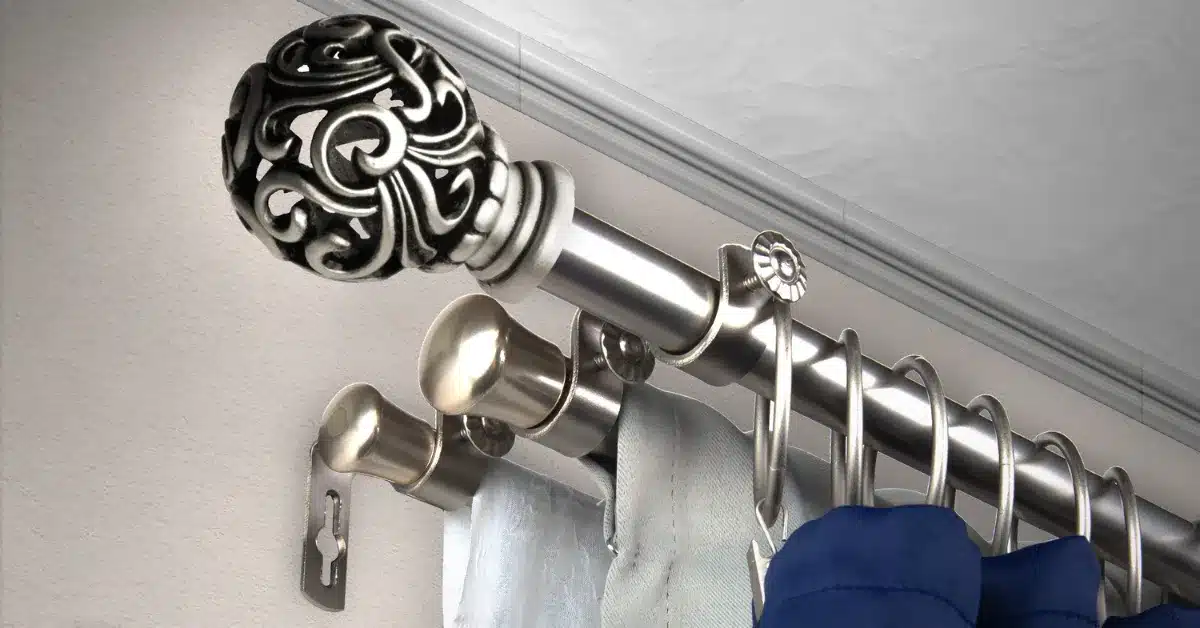
These are the workhorses. A single curtain pole and curtains combination handles most standard windows. You will find them in metal (aluminum, steel, wrought iron), wood, and composite materials. Metal rods in a brushed nickel or matte black finish hold up well in South Florida humidity. Wood looks great but needs a sealed finish to resist moisture, especially in coastal properties where salt air accelerates warping. Standard rods typically support 15 to 25 pounds depending on diameter, which covers most mid-weight custom drapery in Miami.
Double Rods
Traverse and Track Rods
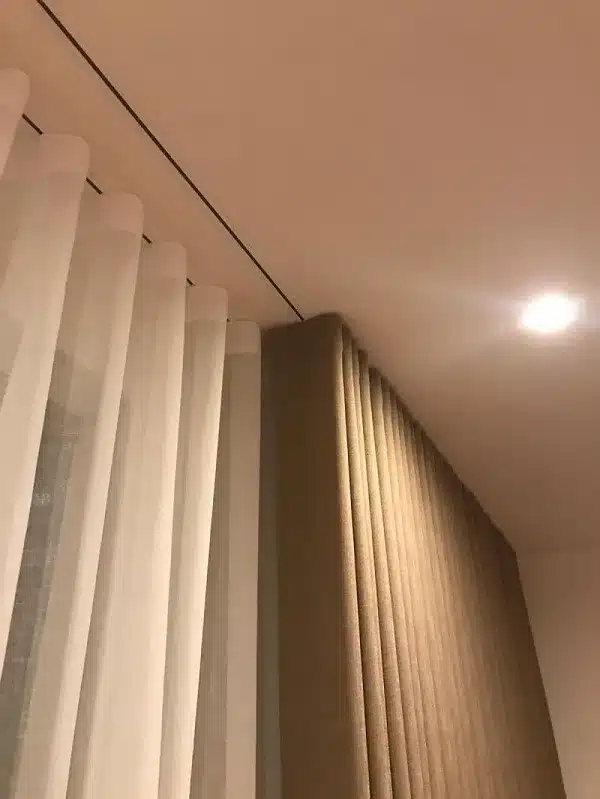
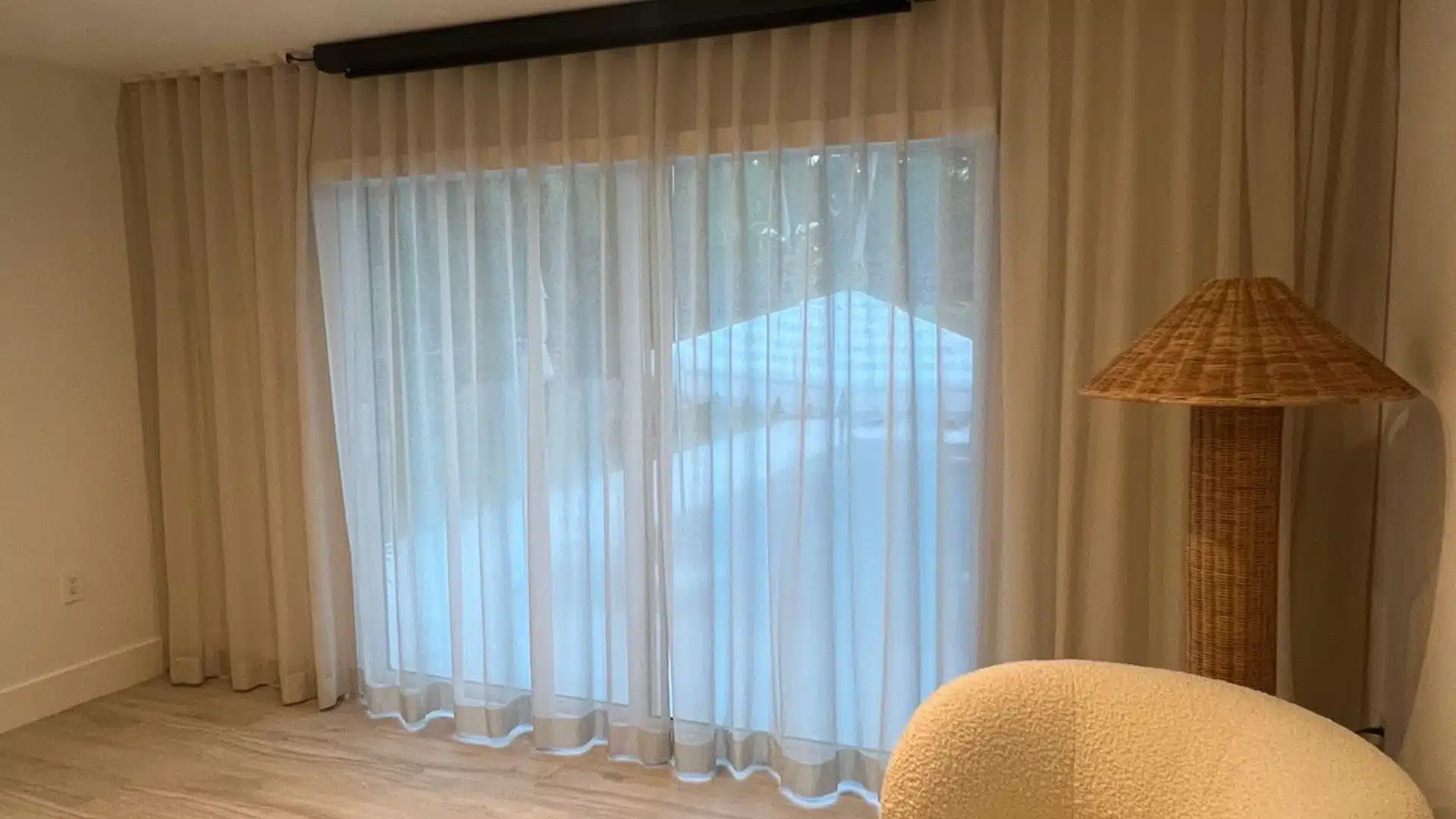
Traverse curtain rods use a pulley system with carriers that let you open and close drapes with a cord or wand. They are the go-to choice for heavy drapery, wide windows, and professional drapery installation projects where the curtains need to move smoothly every day. Curtain ceiling tracks are the modern version of this concept. They mount flush to the ceiling, disappear behind the fabric, and give a clean, contemporary look. Track systems also work with motorized options from Lutron or Somfy if you want automated control.
Tension Rods
Tension rods for curtains use spring pressure to stay in place inside the window frame. No drilling, no brackets, no holes in the wall. They work well for lightweight sheers, cafe curtains, or temporary setups in rental units. Here’s the thing: tension rods have a hard weight limit. Most top out around 5 to 8 pounds. Heavy blackout drapes will pull them down. We recommend tension rods only for fabrics under 5 pounds total or for inside-mount situations where you cannot drill.
Ceiling-Mounted Rods
Ceiling mount curtain rods attach to the ceiling instead of the wall above the window. This creates the illusion of taller windows and works especially well in rooms with low ceilings or windows that sit close to the ceiling line. In South Florida high-rises, ceiling mounting is often the only option when you have floor-to-ceiling glass with no wall space above the frame. These systems pair naturally with ceiling-mounted curtain track systems for a seamless look.
How Do You Choose the Right Curtain Rod for Your Window?
Measuring Your Window Correctly
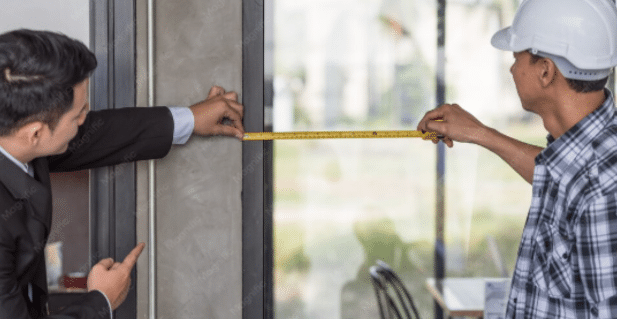
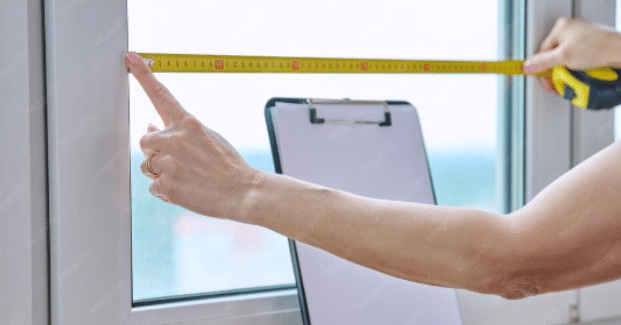
Start by measuring the full width of the window frame, outside edge to outside edge. Then add 3 to 6 inches on each side. That extension lets the curtains stack off the glass when open, which gives you maximum light and makes the window appear wider. For a 48-inch window, your rod should be 54 to 60 inches. Write down the measurement before you do anything else.
Look: the height matters too. Mount the rod 4 to 6 inches above the window frame. If you have the ceiling height for it, go higher. Hanging curtains closer to the ceiling makes the room feel taller. That is not just a design trick; it changes how the whole space reads.
Rod Diameter and Weight Support
Thin rods (half-inch to five-eighths) work for lightweight sheers and cafe curtains. Standard drapes need at least a 1-inch diameter rod. Heavy blackout curtains, thermal drapes, or layered treatments need 1.25 inches or thicker. Adjustable curtain rods are convenient because they telescope to fit different window widths, but check the weight rating. Some adjustable models lose strength at full extension because the overlap between the inner and outer tubes shrinks.
A quick reference:
- Sheers and lace: Half-inch rod, up to 8 pounds
- Standard drapes: 1-inch rod, up to 20 pounds
- Heavy blackout or lined drapes: 1.25-inch rod, 25 to 40 pounds
- Multi-layer or floor-to-ceiling panels: Traverse track system, 40+ pounds
Bracket Types and Mounting Options
Matching Rod Style to Room Decor
What Hardware Do You Need for Curtain Rods?
The rod gets most of the attention, but the brackets, finials, and hanging hardware do the real work. Cheap or mismatched hardware is the fastest way to ruin an otherwise solid curtain installation setup, which is why many homeowners rely on Miami drapery hardware experts to choose and install the right components for a clean, secure finish.
Bracket Styles (Wall, Ceiling, Inside-Mount)
Wall brackets are the default for most standard and decorative rods. They come in single (one rod) and double (two rods) configurations. Ceiling brackets serve two purposes: they hide the hardware behind the curtain header and they work in spaces where wall mounting is not possible. Inside-mount brackets fit within the window frame recess and give a tailored look, but they limit rod length to the exact frame width.
For heavy curtains, add a center support bracket on any rod wider than 48 inches. Without it, the rod will bow under the fabric weight. We install center supports on almost every project because the cost is minimal and the difference in long-term performance is significant.
Finials and Decorative Ends
Curtain rod finials are the caps on each end of a decorative rod. They come in every shape: ball, urn, scroll, leaf, square, cone. Finials are a detail that pulls the look together or distracts from it. Simple shapes work in most rooms. Ornate finials suit formal spaces. Some rod systems use end caps instead of finials for a minimalist profile.
Rings, Clips, and Hooks
Rings slide along the rod and attach to the curtain fabric via sewn-in loops, clips, or hooks. Ring-and-clip systems are versatile because they work with almost any curtain panel, even ones without grommets or tabs. Pin hooks give a more finished pleat and are standard for custom curtains with pinch or French pleat headers.
One practical tip: buy two or three extra rings and clips per rod. They break or bend over time, and matching a specific finish six months later is harder than you think.
Which Curtain Rods Work for Special Windows?
Bay Windows
French Doors
Sliding Glass Doors
Extra-Wide Windows
Should You Install Curtain Rods Yourself or Hire a Professional?
When DIY Works
When a Professional Is Worth It
Heavy drapery on wide windows, bay windows with multiple angles, ceiling-mounted track systems, motorized setups, and anything involving plaster, concrete, or steel-stud construction. These jobs require specific tools, structural knowledge, and experience with weight distribution. We have replaced hundreds of failed DIY installations over the years, and the fix always costs more than the original professional install would have.
Miami’s Best Blinds offers free in-home consultations and measurements. We look at the window, the wall construction, the fabric weight, and the hardware, then give you a plan that works. No guessing.
Expert Insight
“In our 15 years installing custom window treatments across Miami-Dade, the most common issue we see is a weight mismatch between the curtain and the rod system. Someone hangs triple-lined blackout drapes on a thin adjustable rod with two brackets and wonders why it pulls out of the wall in a month. The second biggest issue is bracket spacing. If your rod is wider than four feet, you need a center support bracket. No exceptions. We also see a lot of problems with anchoring in older Miami construction. Plaster over concrete block, hollow tile, and even coral rock walls are common in this area. Each material needs a different anchor type. If you are not sure what is behind your drywall, that is a good reason to call a professional before you start drilling.”
*Chris, Co-owner, Miami’s Best Blinds*
Frequently Asked Questions
What size curtain rod do I need for my window?
Can I use a tension rod for heavy curtains?
How far should a curtain rod extend past the window frame?
What is the difference between a traverse rod and a standard rod?
A standard rod is a fixed pole where curtains hang from rings or grommets and you move them by hand. A traverse rod has an internal track with carriers and a cord or wand mechanism that opens and closes the curtains mechanically. Traverse systems are built for daily-use drapes on wide or heavy installations.
Ready to Get Your Curtain Rods Right the First Time?
The right curtain rod and hardware setup makes your window treatments look better, last longer, and work the way they should. The wrong setup leads to sagging rods, damaged walls, and frustration. If you are working with heavy drapes, specialty windows, or ceiling-mount situations, a professional measurement takes the guesswork out completely.
Miami’s Best Blinds provides free consultations and professional installation for curtain rods, drapery hardware, and complete window treatment systems across Miami-Dade and South Florida. We also handle pairing valances with curtain rods and full room coordination.