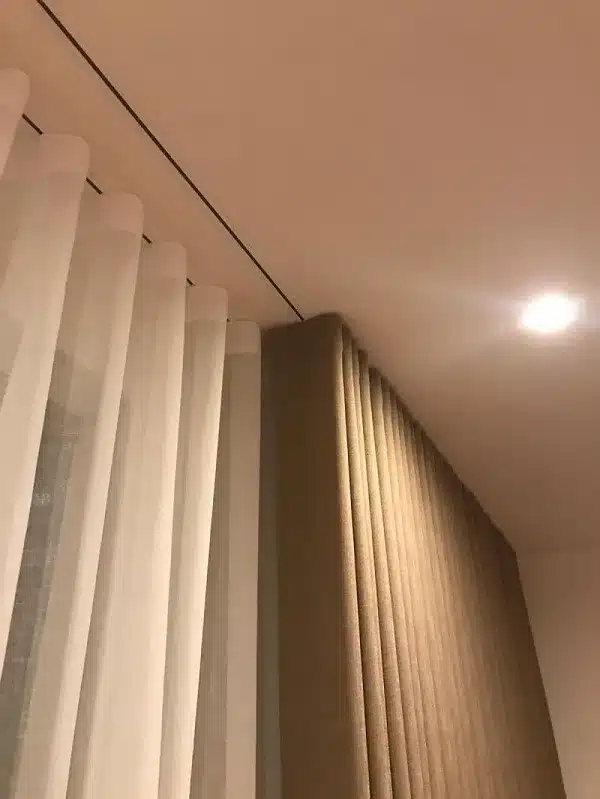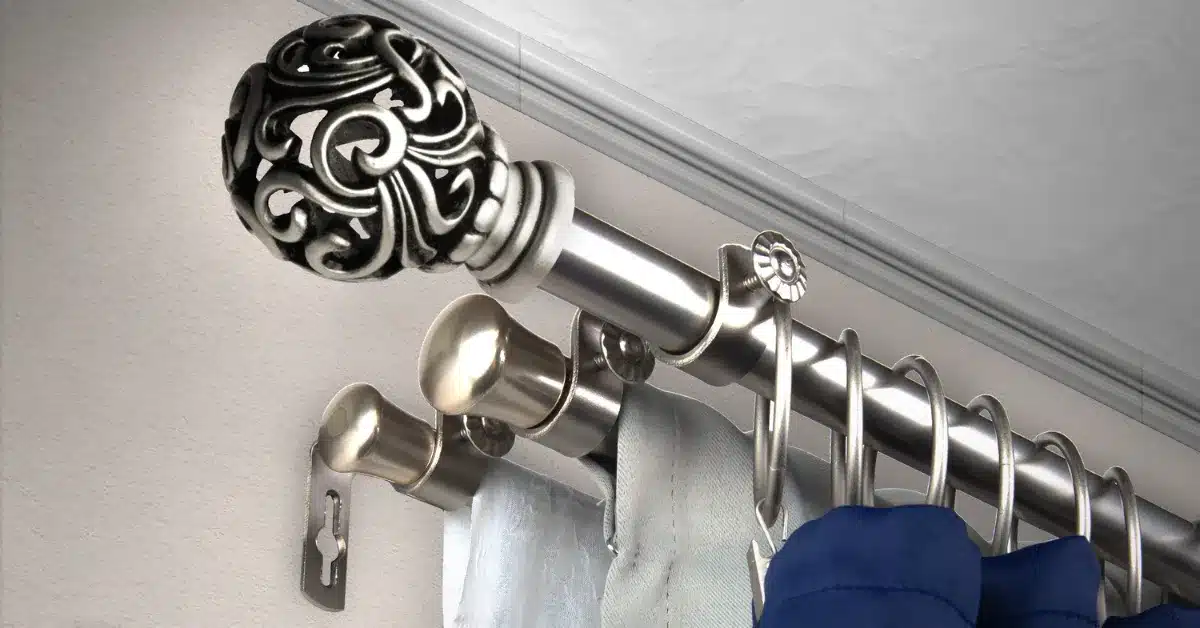
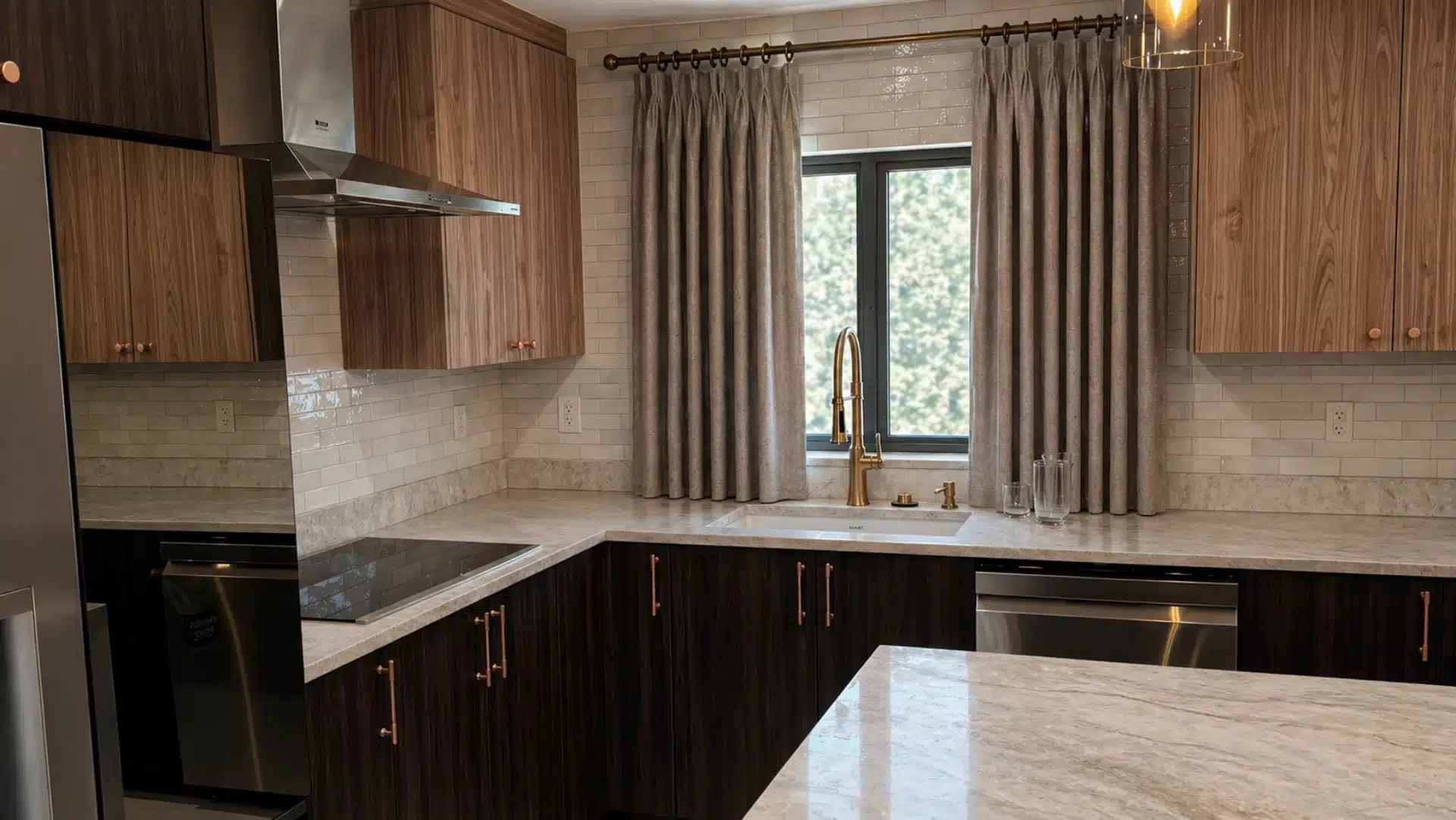
The Kitchen That Looked Perfect… But Felt Wrong
What Are Drapes for Kitchen and Why They Matter More Than You Think
Drapes for kitchen are window treatments designed to balance light control, privacy, durability, and style in a high-use environment.
That last part matters.
Kitchens are not passive spaces. They deal with:
- Heat
- Moisture
- Odors
- Frequent movement
This means your drapes must do more than look good.\
They must perform consistently.
Why Most Kitchen Drapes Fail in Real Homes
Here’s what nobody tells you.
People copy living room ideas into kitchens.
That rarely works.
Case Study: Miami Condo Kitchen
A client installed heavy velvet drapes.
Problem:
- Fabric absorbed cooking smells
- Looked bulky in small space
- Hard to maintain
Solution:
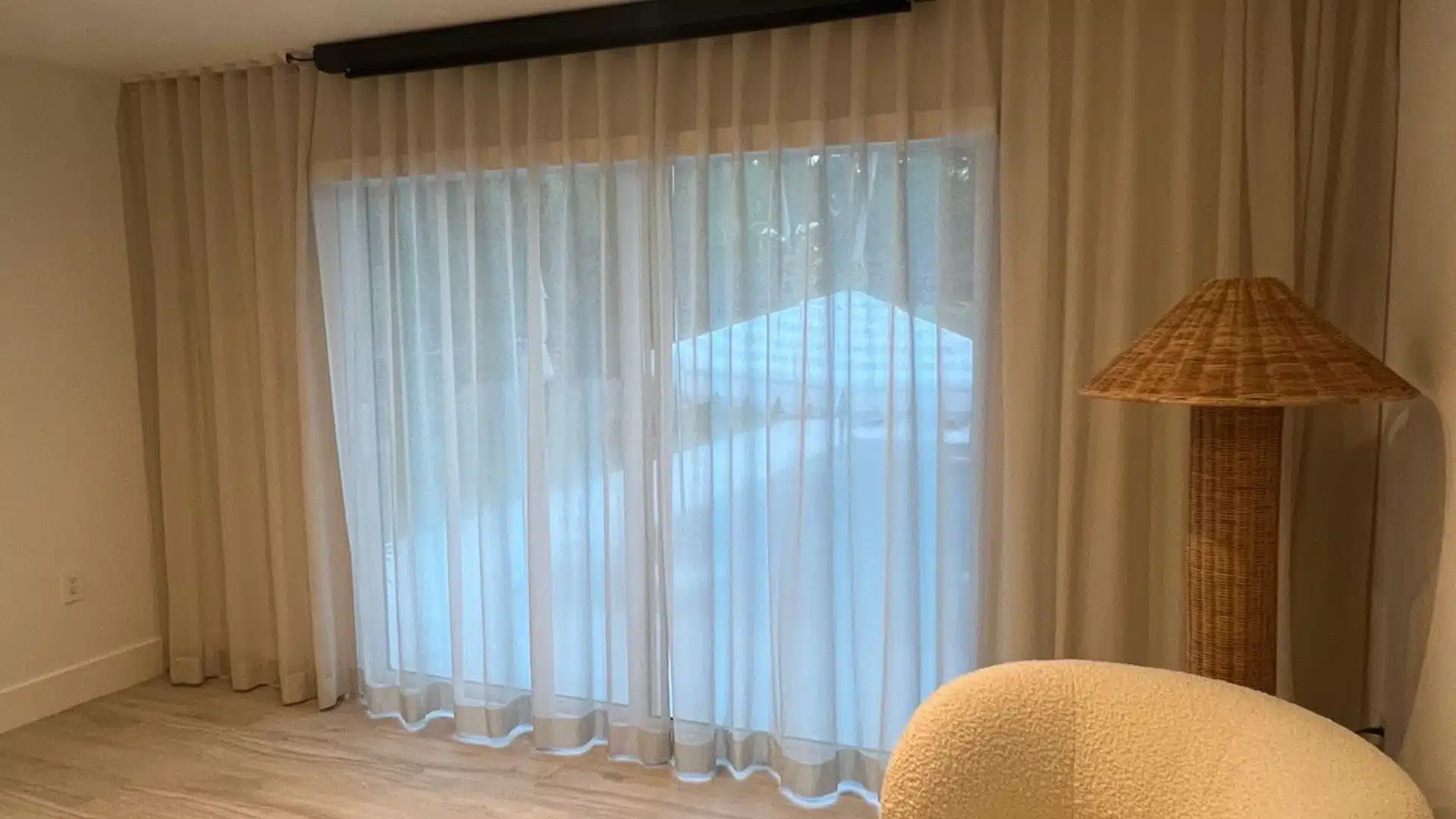
We replaced them with lightweight linen blend drapes paired with functional shades.
Outcome:
- Cleaner look
- Easier maintenance
- Better light control
Lesson:
Kitchen design requires practicality first.
Drapes for Kitchen vs Blinds or Shades
Drapes
- Softer look
- Better for open kitchens
- Adds warmth
Blinds or Shades
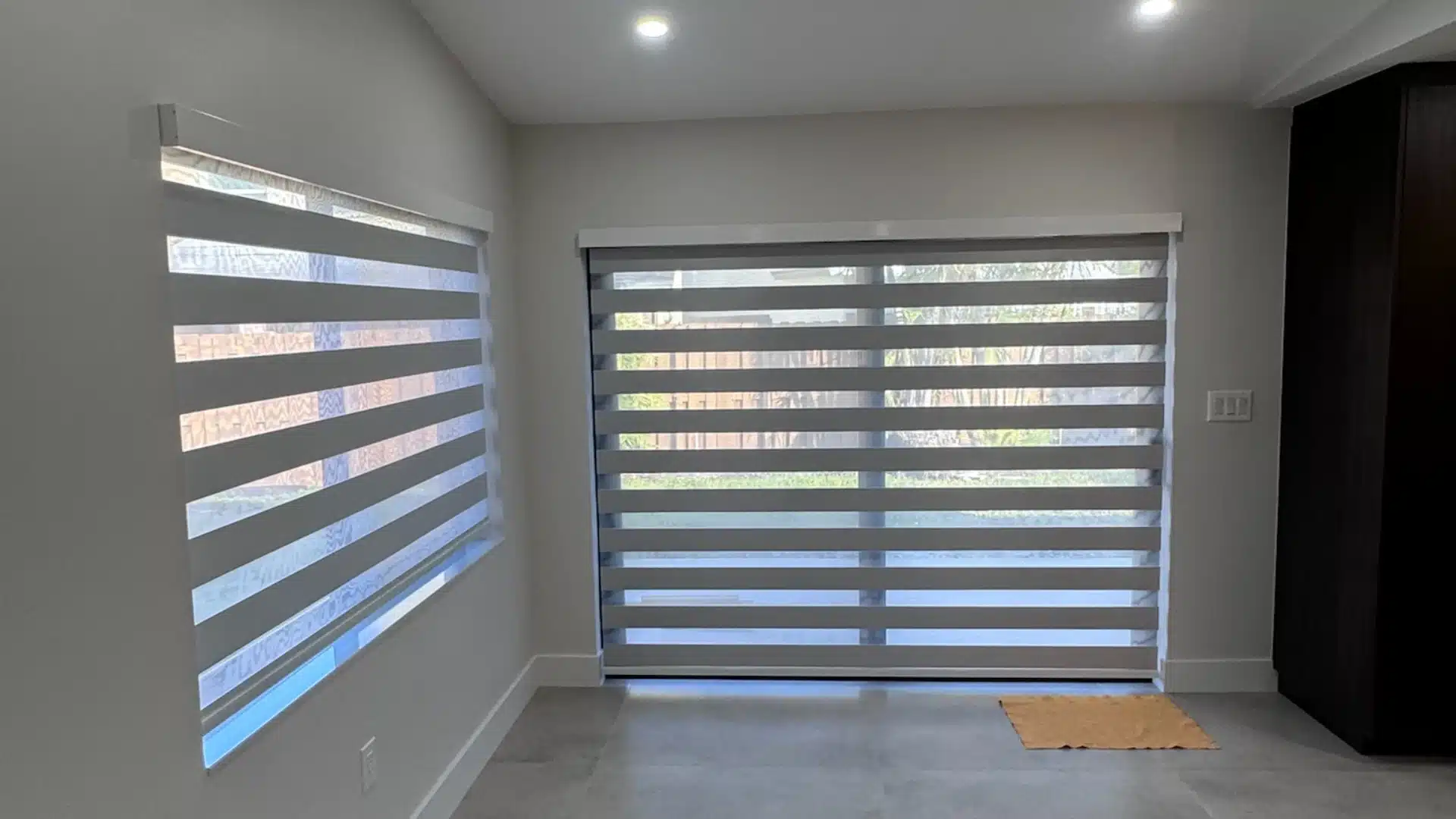
- More functional
- Easier cleaning
- Better for compact kitchens
Our recommendation:
Use drapes when you want softness.
Use shades when you want control.
Best option?
Layer both.
You can explore roller shades or solar shades for daily use, with drapes as the visual layer.
Best Fabric Choices for Kitchen Drapes
Linen
Cotton Blends
- Durable
- Easy to clean
Polyester Performance Fabric
- Resists moisture
- Holds shape well
What to Avoid
- Velvet
- Heavy layered fabrics
- Thick blackout materials
These do not perform well in kitchens
Drapes for Dining Room Windows vs Kitchen Drapes
Drapes for dining room windows
- Can be heavier
- More decorative
- Less exposure to heat
Kitchen drapes
- Must be practical
- Should be easy to clean
- Should allow airflow
Drapes for Large Windows and Kitchen Layouts
Drapes for large windows
- Require wider panels
- Need proper fullness
- Should not block movement
Drapes for large picture windows
- Work best with layered systems
- Combine drapes with shades
We often recommend pairing with motorized blinds for ease of use.
Drapes for Sliding Glass Patio Doors in Kitchens
Best approach:
- Use lightweight drapes
- Ensure easy movement
- Avoid dragging fabric
Alternative option:
- Vertical shades or layered solutions
Drapes for Double Windows and Long Windows
Drapes for double windows
- Use continuous rod
- Maintain consistent spacing
Drapes for long windows
- Floor-length works best
- Adds vertical height
Drapes for Round Windows and Unique Shapes
Best options:
- Custom drapes
- Partial coverage
- Layered shades
We usually avoid heavy drapes here.
Drapes for Living Room vs Kitchen: Key Differences
Drapes for living room
- Focus on aesthetics
- Can be heavier
Drapes for kitchen
- Focus on function
- Must handle daily use
Real Cost Breakdown (2026)
Ready-made kitchen drapes
- $50 to $200
Mid-range custom
- $300 to $900
Premium custom
- $1,200+
Brands we recommend
IKEA
Wayfair
Pottery Barn
West Elm
The Shade Store
Hunter Douglas
Common Mistakes That Ruin Kitchen Drapes
Using heavy fabric
Choosing wrong length
Ignoring airflow
Overdesign
Case Study: Kitchen Upgrade Transformation
Client had basic blinds.
We added light linen drapes.
Results:
- Softer visual feel
- Better light balance
- Improved space perception
Step-by-Step Setup Guide
Step 1: Assess space
Step 2: Choose fabric
Step 3: Decide length
Step 4: Layer if needed
Step 5: Install properly
What We Learned Over Time
We used to treat kitchen drapes like decorative add-ons.
Now we treat them as functional systems.
That shift improved results dramatically.
FAQ
Yes, if you choose the right fabric and design.
Linen or cotton blends work best.
Depends on layout, but shorter is often practical.
Not recommended for most kitchens.
They serve different purposes. Layering works best.
Choose washable fabrics.
Only if fabric is breathable.
Using heavy decorative fabric.
Yes, for better fit and durability.
Not always. Each space has different needs.
Final Thoughts
If your living room feels incomplete…
It is not your furniture.
It is your window design.
Curtain styles for living rooms define how your space feels, not just how it looks.
Keep it simple.
Focus on structure.
Choose function first.
Because great design is not about adding more.
It is about choosing better.
Disclaimer: All pricing provided is for informational purposes only. Actual costs will vary based on specific project requirements and property conditions. Reach out to us for a free, personalized estimate.