
Blinds make any room look stylish and private, but keeping them clean is never an easy task. Dust, dirt, and stains build up quickly, leaving blinds looking dull, tired, and the air feeling less fresh. Simple dusting helps a little, but it rarely makes blinds look as bright and spotless as they once were.
Professionals use safe tools and smart cleaning methods to treat blinds properly, making them shine like new again without any damage. If you have ever wondered how do professionals clean blinds, this guide will show you step by step, giving you easy tips you can always keep in mind for your own home and blinds.
Why Professional Cleaning Matters
Everyday cleaning vs professional cleaning
Most people dust their blinds once in a while, but this only clears the surface dirt that is easy to see. Dust often settles deep in corners, on hidden edges, and in small gaps, where casual cleaning cannot reach effectively. Over time, this buildup makes blinds look dull and lifeless.
Professionals, on the other hand, use special tools and proven methods to reach every part of the blinds. They remove stubborn grease, hidden dirt, and even allergens that are out of sight and out of mind. This deeper approach gives blinds a fresh look, making them appear almost brand new again.
Benefits of professional cleaning
Professional cleaning helps blinds shine while also protecting their material for the long run. By preventing damage caused by poor cleaning methods, professionals extend the life of blinds and save homeowners from costly replacements in the future. Clean blinds also keep rooms brighter and more welcoming.
Another big benefit is the improvement in indoor air quality, since cleaner blinds mean less dust floating around the house. This creates a healthier space, letting families breathe easier day after day. The polished, streak-free finish also speaks volumes whenever sunlight filters gently through the windows.
Different Types of Blinds and Their Needs
Vinyl and aluminum blinds
Vinyl and aluminum blinds are among the easiest to clean because they can handle water without getting damaged. Professionals usually dust them first to remove loose dirt, then wash them with mild detergent and warm water to remove stains and grease. This method restores their shine without much effort.
For deep cleaning, these blinds can even be soaked in a bathtub or treated with ultrasonic cleaning for the best results. After washing, professionals rinse and dry them carefully to avoid water spots. With the right care, vinyl and aluminum blinds stay bright and sturdy for many years.
Wooden and faux-wood blinds
Wooden blinds need special care, since too much water can cause warping or fading. Professionals use soft cloths and special wood-safe cleaners to remove dirt while protecting the natural finish. They also polish the wood lightly, keeping it smooth and shiny.
Faux-wood blinds are a little easier to manage because they can resist moisture better than natural wood. Professionals still avoid soaking them and instead use damp cloths for safe cleaning. This approach ensures the blinds look beautiful while staying strong for the long run.
Fabric, roller, and cellular blinds
Fabric blinds are delicate and attract dust easily, so professionals often use vacuum cleaners with soft brush attachments to clean them. They also treat small stains with fabric-safe cleaners, keeping the material fresh and neat. This prevents damage while restoring the original look.
Roller and cellular blinds require extra care because of their unique design. Professionals gently brush or wipe them to remove dirt without harming the fabric folds. By using mild products and light pressure, they make sure these blinds stay both clean and long-lasting.
Vertical blinds and shutters
Vertical blinds are tall and flexible, making them harder to clean without bending the slats. Professionals carefully dust and wipe each panel, paying attention to both sides. This prevents dirt buildup while keeping the slats straight and strong.
Shutters, whether wood or faux-wood, are cleaned with dusters, soft cloths, and polish. Professionals avoid heavy water use, instead applying products that protect their finish. With regular care, shutters stay bright and stylish, adding charm to any room for years to come.

Routine Maintenance by Professionals
Dusting with microfiber cloths and dusters
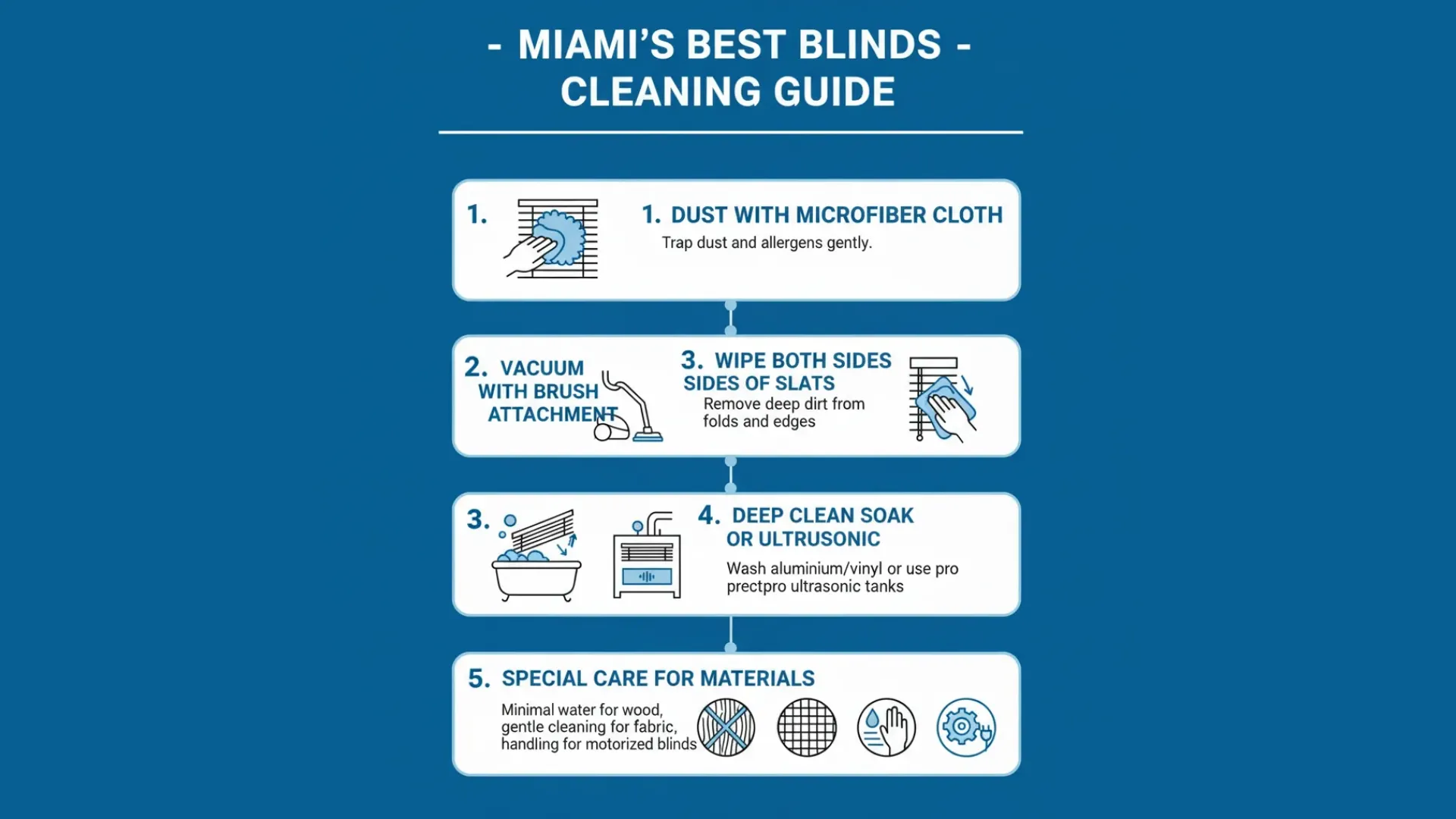
Professionals often start with microfiber cloths or dusters because they trap dust instead of spreading it around. This simple step keeps blinds cleaner for longer, as the fine fibers catch even the smallest particles. Regular dusting also prevents stains from forming in the first place.
Unlike ordinary rags or paper towels, microfiber does not scratch surfaces or leave streaks behind. Professionals use it gently on both sides of the slats, making sure nothing is missed. With consistent care, this routine dusting keeps blinds looking neat and well-maintained.
Vacuuming with soft brush attachments
Vacuuming blinds with a soft brush attachment is another method used by professionals to remove hidden dirt. This technique is especially effective for fabric blinds, where dust often clings deep into the folds. It also works well on shutters and vertical blinds.
The vacuum pulls out dust and allergens that wiping alone cannot reach. By doing this regularly, professionals not only keep blinds looking spotless but also improve the air quality in the room. This small habit goes a long way in creating a healthier home environment.
Preventing buildup with regular schedules
Professionals know that the secret to clean blinds is not just how they are cleaned, but how often. They follow cleaning schedules that match the needs of the household, whether weekly dusting or seasonal deep cleaning. This prevents dust and grime from piling up over time.
With a regular schedule, blinds never reach the point where they look overly dirty or worn out. Instead, they remain in good condition year-round. This steady care saves both time and effort in the long run, making blinds easier to manage.
Cleaning Without Removing Blinds
Gentle wiping with microfiber or mitts
When blinds are not too dirty, professionals use microfiber mitts or cloths to wipe them down. These tools are soft yet effective, allowing both sides of each slat to be cleaned at once. It’s a quick method that prevents scratches and leaves blinds looking fresh.
The microfiber also traps dust instead of pushing it into the air. This helps keep the room cleaner while making blinds shine again. With regular use, this gentle wiping method keeps blinds tidy without the need for harsh products or long cleaning sessions.
Correct way of spraying cleaners
Professionals never spray cleaning solution directly onto blinds, since this can leave streaks or damage the material. Instead, they spray the cleaner onto a cloth first and then wipe each slat carefully. This approach gives better control and avoids excess moisture.
By using this technique, they protect delicate materials like wood and fabric. It also reduces the risk of cleaner dripping into the mechanisms. With the right method, blinds are cleaned thoroughly while staying safe from harm.
Flipping slats and cleaning both sides
To achieve a spotless look, professionals make sure to clean both sides of every slat. They gently flip the slats, wiping one side and then the other. This step ensures no dust or dirt is left hiding in plain sight.
By working systematically, they avoid missing spots that might be overlooked in quick cleaning. This attention to detail makes blinds look completely refreshed. Even though it takes a little extra time, the results are worth the effort.
Care for motorized and delicate blinds
Motorized and delicate blinds need special attention because of their sensitive parts. Professionals avoid spraying water or cleaner near the motors, using only lightly dampened cloths instead. This prevents damage while still removing dust and dirt.
For delicate blinds, such as silk or thin fabrics, only gentle wiping or vacuuming is used. Harsh products are avoided to keep the material safe. With this careful approach, even fragile blinds can be cleaned effectively without any risk.
Deep Cleaning Techniques Professionals Use
Removing blinds safely for deep washing
The first step professionals take is removing blinds carefully from the window. This ensures every part can be reached without bending or damaging the slats. They handle each type of blind differently, knowing that safe removal makes cleaning more effective.
Bathtub soak method for vinyl and aluminum
For vinyl or aluminum blinds, a bathtub soak is a common choice. Professionals place the blinds in warm water mixed with mild soap. After soaking, they rinse the blinds thoroughly and allow them to dry fully before rehanging. This leaves them sparkling clean from top to bottom.
Ultrasonic blind cleaning
Some professionals use ultrasonic cleaning, a high-tech method where sound waves break down dirt and grime. The blinds are placed in a tank filled with water, and tiny bubbles gently scrub away even the toughest buildup. This method is quick, safe, and highly effective.
Injection and extraction cleaning method
For fabric blinds, an injection and extraction method is often used. A cleaning solution is injected into the material, then immediately extracted along with the dirt. This process deep cleans without leaving excess moisture behind, which is especially important for delicate fabrics.
Special Cleaning Methods for Each Material
Wood blinds cleaning
Professionals avoid soaking wood blinds because water can warp or crack the material. Instead, they use a soft, dry cloth for dusting and a wood-safe polish for shine. This keeps the blinds looking elegant without risking damage.
When a deeper clean is needed, a slightly damp cloth may be used carefully. The blinds are dried right away, ensuring no moisture lingers. This method protects the wood’s natural beauty for years to come.
Fabric blinds cleaning
Fabric blinds are delicate, so professionals rely on vacuum cleaners with soft brush attachments. This lifts dust and keeps the fabric looking fresh without pulling or tearing. Spot cleaning products are used only when absolutely necessary.
For stubborn stains, a fabric-safe cleaner is applied gently and then blotted dry. The key is to keep moisture minimal, preventing any damage to the weave of the fabric. This ensures the blinds stay neat and durable.
Vertical blinds cleaning
Vertical blinds are tall and flexible, which makes cleaning tricky. Professionals dust each slat from top to bottom, making sure both sides are covered. They handle the panels gently to avoid bending or breaking them.
If stains appear, mild soap and water are applied with a soft cloth. The blinds are then dried immediately to keep them looking sharp. With regular care, vertical blinds stay straight and stylish.
Motorized blinds cleaning
Motorized blinds require the most careful touch. Professionals never spray water or cleaner near the motors, as this could cause serious damage. Instead, a lightly dampened cloth is used to wipe the slats safely.
For areas with heavy dust, a dry microfiber cloth is preferred. This removes buildup without risking the motorized parts. By treating them carefully, professionals keep these high-tech blinds clean and fully functional.
Professional Tools and Products
Microfiber dusters and mitts
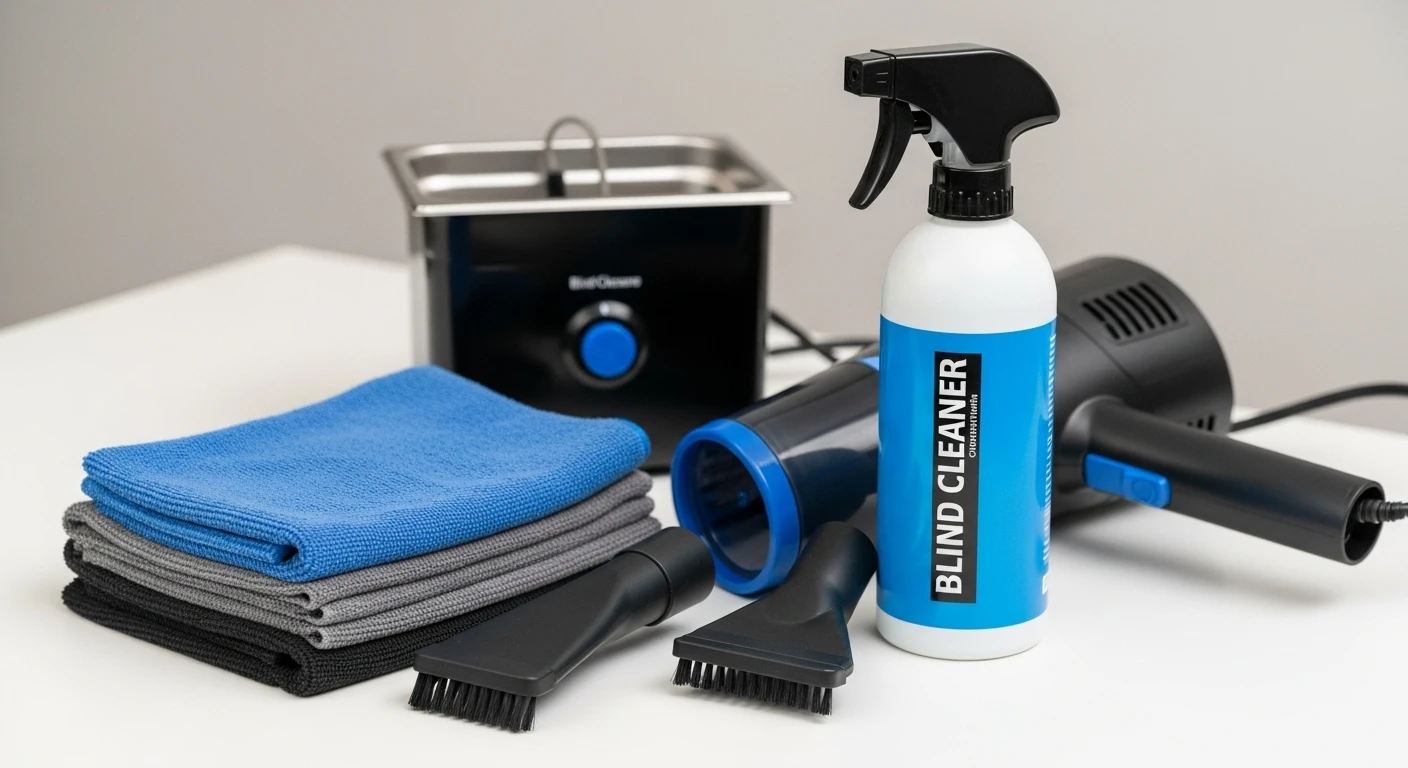
Microfiber tools are the first choice of professionals because they trap dust instead of spreading it around. They are soft, reusable, and safe for every type of blind. With one simple wipe, they can cover multiple slats and reduce cleaning time.
Unlike ordinary cloths, microfiber works well without leaving streaks or scratches. Professionals use them regularly for quick cleaning sessions, making them one of the most reliable tools in blind care.
Why microfiber works best
- Captures dust and allergens in one swipe
- Protects surfaces without scratching
- Easy to wash and reuse many times
Vacuum cleaners with attachments
Vacuum cleaners with brush attachments are another professional favorite. They are especially useful for fabric blinds, shutters, and vertical blinds where dust collects in folds or corners. With gentle suction, they remove dirt that wiping alone cannot reach.
This method not only improves the look of blinds but also helps reduce dust floating in the air. Professionals use it often during routine cleaning to keep blinds in good shape with little effort.
Where it works best
- Fabric blinds with deep folds
- Shutters with narrow edges
- Vertical blinds with long slats
Mild detergents and natural solutions
Professionals avoid harsh chemicals that can harm blinds. Instead, they use mild detergents or natural solutions like vinegar and water. These cleaners are strong enough to remove stains but gentle enough to keep materials safe and bright.
They are also eco-friendly, making them a smart choice for households with children or pets. With the right mix, blinds stay clean and fresh without any strong odors or harmful residue.
Benefits of mild cleaners
- Gentle on most types of blinds
- Safe for health and environment
- Leaves blinds fresh without streaks
Ultrasonic cleaning tanks
Ultrasonic cleaning is an advanced method used in professional workshops. Blinds are placed in a water tank where sound waves create tiny bubbles that break down dirt. This process cleans every hidden corner that normal methods cannot reach.
The method is quick, safe, and highly effective for very dirty blinds. Professionals often use it when blinds have heavy grease or stains, giving them a spotless look without much manual scrubbing.
When ultrasonic is used
- Blinds with stubborn grease buildup
- Aluminum or vinyl blinds needing deep clean
- Cases where normal cleaning is not enough
How Often Should Blinds Be Cleaned
Keeping blinds clean is all about consistency. Professionals recommend giving them a light dusting once every month, just enough to stop dust from piling up. This simple step not only makes blinds look fresher but also saves time later, since dirt is easier to manage when it hasn’t been sitting for weeks.
Alongside dusting, a deeper clean is needed every three to six months. The exact timing depends on where you live and how often your blinds are used. Blinds near kitchens or busy streets usually need cleaning more often because of grease and pollution. By following this routine, blinds stay brighter, last longer, and keep the air inside your home much cleaner.
Sometimes blinds give you clear signs that they need professional attention sooner. If stains won’t budge, if the slats look dull no matter how much you wipe, or if allergies seem worse indoors, it’s time to call in the experts. Their advanced tools and techniques can restore blinds to a spotless condition, something that regular cleaning often can’t achieve.
9. Common Mistakes to Avoid
Using harsh chemicals
One of the most common mistakes people make is using harsh cleaning products on blinds. Strong chemicals may give quick results, but they can harm the finish, fade colors, and weaken the material with repeated use. Instead, professionals rely on mild cleaners that remove dirt gently while keeping the blinds in good shape for longer.
Over-soaking blinds
Another mistake is using too much water, especially on wooden or fabric blinds. Excess moisture can warp wood, cause fabric to shrink, or even leave behind water stains that are difficult to fix. Professionals always use limited moisture, applying it carefully to avoid damage while still achieving a thorough and safe clean.
Spraying cleaners directly
It may seem easier to spray cleaner directly onto the blinds, but this often causes more problems than it solves. The liquid can drip into the mechanisms and leave streaks on the surface. To avoid this, professionals spray cleaners onto a cloth first, wiping each slat gently for a cleaner and more controlled finish.
Bending or forcing slats
Blinds may look sturdy, but the slats and mechanisms are quite delicate. Bending them too hard or rushing through cleaning can easily lead to damage that requires costly repairs. Professionals take their time, moving carefully and evenly, so the blinds stay both spotless and fully functional without any broken parts.
10. When to Hire a Professional Cleaner
- Stubborn stains or grease buildup – When stains or greasy spots refuse to go away, professionals use safe tools and cleaners to remove them without causing damage.
- Complex, large, or motorized blinds – Bigger or motorized blinds need expert care, since improper cleaning can harm delicate mechanisms and cost more to fix.
- Busy households with less time – Families with busy routines often prefer professionals, saving time while keeping blinds spotless year-round.
- Long-term care and maintenance – Regular professional cleaning protects materials, extends the life of blinds, and helps avoid costly replacements later.
Conclusion
Blinds may seem easy to clean, but proper care requires more than a quick dusting. Professionals use safe tools and proven methods to remove dust, stains, and allergens, leaving blinds looking spotless and fresh. Their approach also protects the material, ensuring blinds last longer and continue to add style to your home.
If you want spotless blinds without the effort, hiring a professional is the best solution. Expert cleaners save time, extend the life of blinds, and improve the air inside your home. For reliable service and lasting results, visit Miami’s Best Blinds and let the experts handle the cleaning for you.