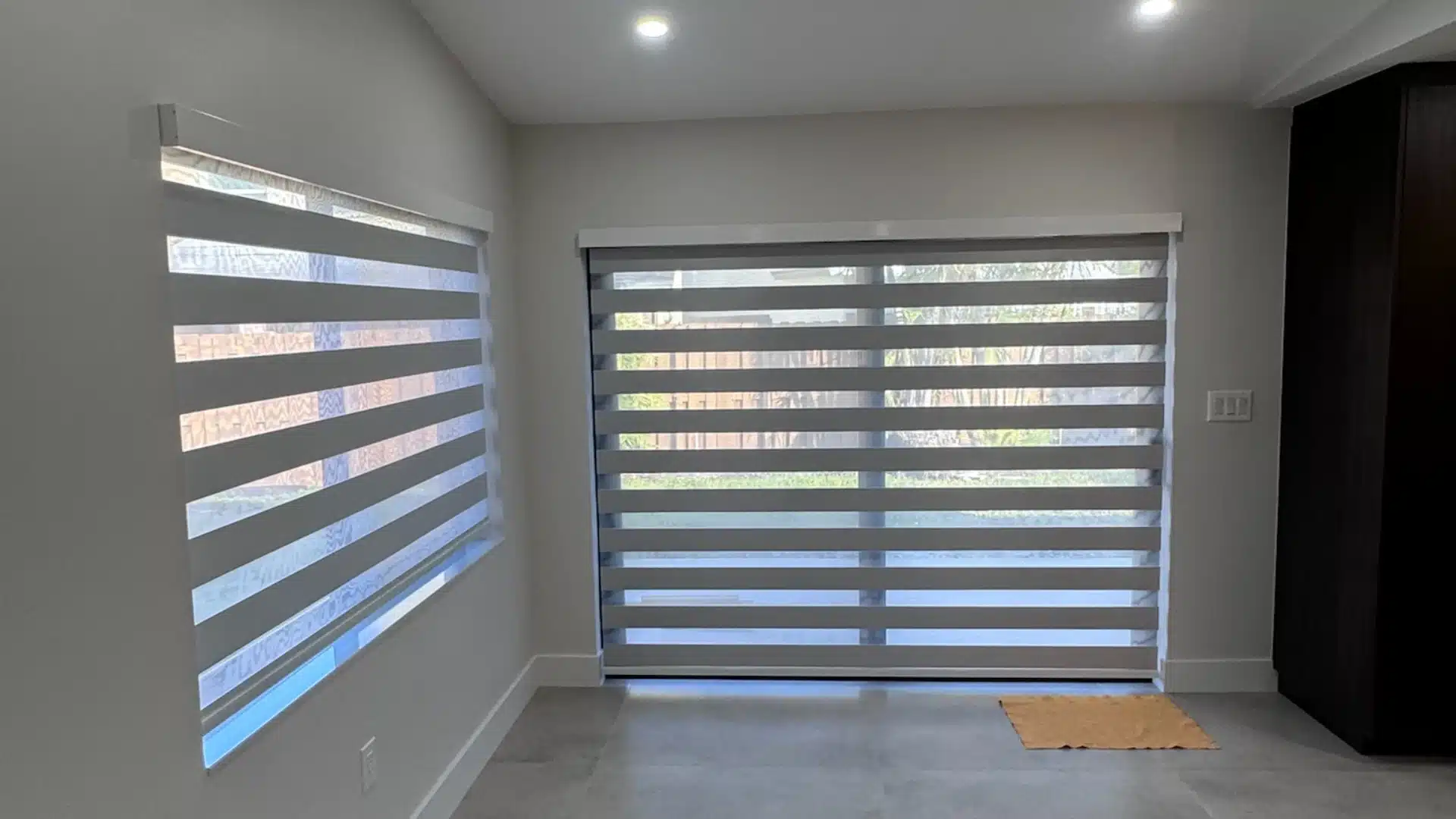
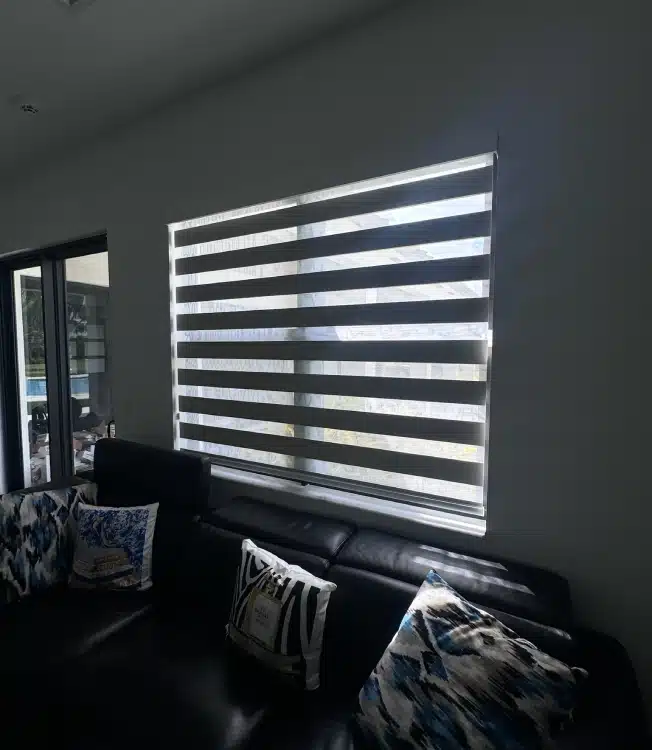
Blinds that won’t raise are a common household problem and can quickly become frustrating. You pull the cord, but the blinds stay stuck, feel heavy, or drop back down as soon as you let go. In most cases, the issue is mechanical and often related to tangled cords, a worn cord lock, or the need for broken blind cord repair.
This guide explains how to fix blinds that won’t raise, how to identify the exact cause, and what steps you can take to restore smooth operation safely.
Common Reasons Blinds Won’t Raise
Before attempting any repair, it’s important to understand why the blinds stopped working.
Tangled or Jammed Lift Cords
Lift cords run through the blinds and help raise them evenly. Over time, cords can twist or knot inside the headrail. A blinds cord tangled fix is often all that’s needed to restore movement.
Worn or Broken Cord Lock
The cord lock holds the blinds in place when raised. If it wears out or jams, the blinds may not lift or stay up.
Broken or Frayed Blind Cords
When cords wear down or snap, the blinds lose balance and become difficult or impossible to raise. This is when broken blind cord repair becomes necessary.
Uneven or Jammed Slats
If slats stack unevenly, they can jam inside the headrail and block the lifting mechanism.
How to Fix Blinds That Won’t Raise
Step 1: Lower the Blinds Completely
Start by lowering the blinds all the way down. This releases tension and makes it easier to inspect the cords and mechanisms.
Step 2: Remove the Headrail Cover
Carefully remove the valance or headrail cover to expose the lift cords and cord lock. Take note of how the cords are threaded before adjusting anything.
Step 3: Fix Tangled Cords
Gently untangle any knotted cords and make sure they run evenly through the ladder strings. Many blinds start working again once a blinds cord tangled fix is completed.
Step 4: Reset the Cord Lock
Pull the lift cords straight down at a slight angle away from the window. This often resets the cord lock and allows the blinds to raise smoothly.
Step 5: Repair or Replace Broken Cords
If cords are frayed or snapped, you’ll need to perform broken blind cord repair. Replace damaged cords with the correct size and length to restore balance and proper function.
Step 6: Test the Blinds
Slowly raise and lower the blinds several times to ensure smooth operation and even lifting.
When DIY Repair Is Not Enough
Some blind issues require professional repair or replacement.
Signs You Need Professional Help
- Multiple broken or frayed cords
- Cord lock no longer holds at all
- Blinds drop immediately after lifting
- Internal mechanisms are cracked or damage
Attempting complex repairs without experience can worsen the problem or damage the blinds further.
How to Prevent Blinds from Getting Stuck Again
Proper care helps extend the life of your blinds.
- Pull cords gently and at an angle
- Avoid jerking motions
- Keep headrails clean and dust-free
- Fix minor cord issues early
Routine maintenance reduces the chance of repeated cord problems.
Repair vs Replacement: Which Is Better?
Repair is ideal for newer blinds with minor cord issues. Replacement may be the better choice if blinds are old, frequently malfunctioning, or outdated. New blinds offer smoother operation, improved durability, and modern design options.
Final Thoughts
Knowing how to fix blinds that won’t raise can save time and frustration. Many issues are caused by tangled cords or worn mechanisms and can be resolved with careful inspection and simple repairs. When cords are damaged or locks fail completely, professional repair ensures safe and long-lasting results.
Frequently Asked Questions
This usually means the cord lock is worn or the lift cords are damaged and no longer holding tension.
Yes. Many times a simple blinds cord tangled fix restores normal operation.
Cord repair is needed when cords are frayed, uneven, or snapped, causing the blinds to lift improperly.
Basic untangling is safe, but full cord replacement should be done carefully or by a professional to avoid imbalance.
With proper use and care, blind cords can last several years, but humidity and frequent use may shorten their lifespan.
Absolutely. We help coordinate your blinds with drapery, vertical shades, or zebra blinds to create a cohesive interior look.